
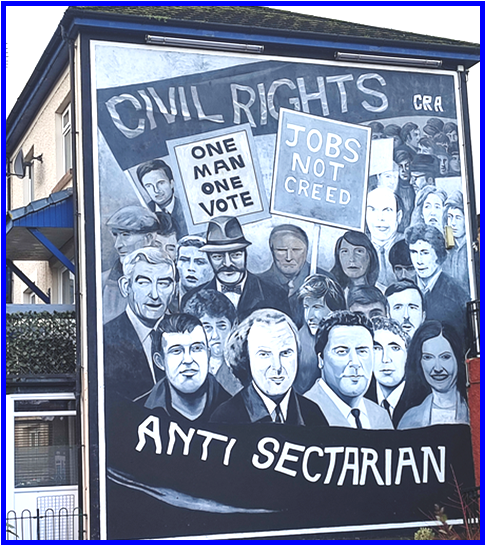
This article by Lynda Walker first appeared in Unity, the weekly publication of the Irish Communist Party.
MANY people know that Bloody Sunday, 30th January is the anniversary of the day (1972) when 26 civilians were shot by the British Army in Derry, 14 of them died. The event marks the date when the lives of relatives, friends, civil rights activists changed-to become for many of them especially relatives, a life devoted to getting justice for those injured and killed.
The backlash from these murders also put an end to the main push for a peaceful civil rights campaign with many young people opting to join the military campaign-it is considered that this was a motive behind the action of the British army (Kitson, and the government).
The Bloody Sunday Inquiries that have been held range from “whitewash” to “getting there”-but still protecting those responsible. Many of our friends and comrades took part in the march that day. They include civil rights activists, Brigit Bond and Cathy Harkin, from Derry. Rebecca McGlade, Edwina Stewart, Secretary of the Civil Right Association and Communist, Edwina lost her job at Ashfield girls school because she stood on the Civil Rights platform. In Derry. Terry Bruton-Communist, Madge Davison-Communist and organiser for the NI Civil Rights Association who helped to organise the march. Ann Hope, treasurer of the NI Civil Rights Association and best friend of Madge, and too many others to mention. In 1974 Madge Davison was instrumental in helping to put in place the Bloody Sunday Monument in Rossville Street. It was unveiled on the 26th January 1974 by Brigit Bond. Speakers included, relatives of the dead, civil right activists and Lord Fenner Brockway.

Down the years amongst the fear, anger and other reactions to the killings and injustice, some people tend to forget the reason why the demonstration was taking place.
It was generally for civil rights, housing, opposition to discrimination and injustice against the catholic nationalist population-though regarding “one man one vote” this applied to anyone who was not a ratepayer. However, the main feature of this demonstration was opposition to internment, when on the 9th of August 1971 over 340 nationalist/republican/catholic men were interned without trial on the basis of their involvement in paramilitary activity. Out of date information was used to intern the men many of whom were not involved. Men involved in paramilitary actions from loyalist/unionist backgrounds were not interned until 1973.
Internment lasted until 1975, during this time 1,981 men and women were detained, of these 107 were loyalist. In any event NICRA opposed the use of the Special Powers Act to intern any person without trial.
Their world is our world.
Derry prepares for the influx of people still calling for justice for those killed, to bring peace, civil rights. But as we have watched the events unfold in Palestine, America, and Sudan and other places of violence there is an understanding that their struggle is also ours. An end to war and military spending, to paramilitary actions of the ICE and others. And to genocide in Palestine.
Growing up in a loyalist estate I was raised with a very specific outlook. The expectation was always to support the Crown and the security forces without any question. We were taught that the authorities were there to protect us and that their actions were always justified.
Over time my perspective has changed. I now understand that seeking the truth is not about taking sides but about basic fairness and human rights. Looking back at the events in Derry I can see how the loss of life and the lack of accountability hurt the entire community.
I fully support the families in their campaign for justice. It is clear that the use of internment and the events of that day were a failure of the state.
As someone who values civil rights and the dignity of all workers I believe that no one should be above the law. Acknowledging the wrongs of the past is the only way we can build a future based on real peace and equality
Thank you William, many people from protestant backgrounds joined in the Civil Rights Movement initially, some stayed.
But it might surprise you that several people in the leadership of the NI Civil Rights Association came from protetant/loyalist backgrounds and identified with the need for justice and change.
But those in the leadership of the British Government and Unionist were less likly to admit their role in all this.
It is really good to hear people like yourself acknowledge the problems as they were.
You are right to point out that many from the Protestant community stood up for justice. Learning about those who led the civil rights movement from a background like mine has been very helpful. It shows that the fight for fair treatment was a shared struggle for all working people