The Long March

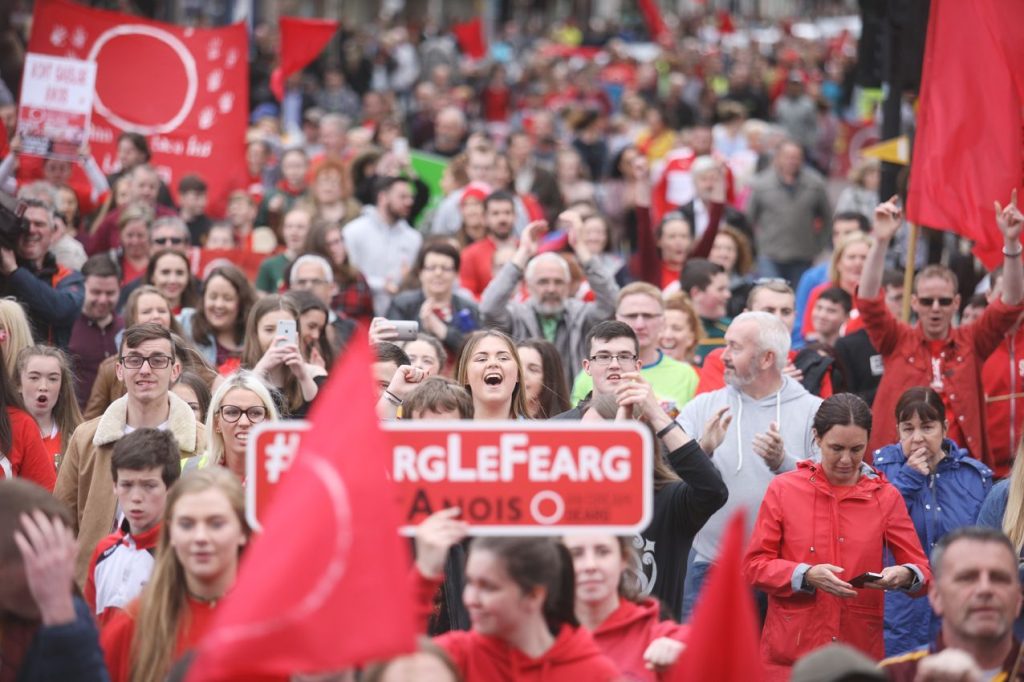
Siofán Ó Nualláin traces the legacy of Madge Davison, the communist organiser who ran NICRA from a cramped Belfast office and stood defiantly against sectarian violence, state oppression, and inequality during the darkest days of the Troubles. This article pays tribute to a radical Presbyterian activist who wove civil rights, feminism, and anti-imperialism together into a vision of justice that still drives us forward today.

Housing: They’re taking us for fools

While the Taoiseach boasts of surging home completions and momentum in the housing plan, the actual CSO figures reveal a 3.6% drop in new dwellings and a sharp 12.2% collapse in apartment builds. Eoin Ó Murchú dismantles the government’s spin, and the media’s silence, and argues that only a return to direct state construction and grassroots pressure from groups like CATU can break the grip of speculators.

A real crisis to exploit

As Sinn Fein’s Conor Murphy demands London and Dublin stop coasting, John Molloy argues the North faces a genuine crisis buried beneath the tedious rituals of Stormont party politics and public indifference to devolution. The Peace Dividend never arrived, and now Whitehall exploits dysfunction to discredit constitutional change. Progressive forces must demand real action before the next Assembly is restored.

“Terrorist connection” a decision criticized by rights groups and politicians who warned it could criminalize direct-action protests

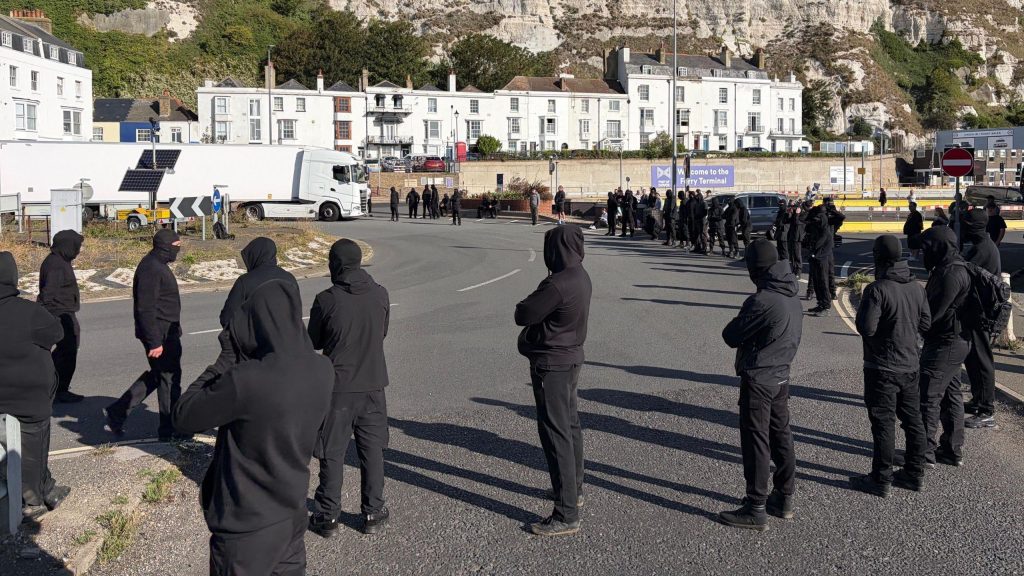
Four Palestine Action activists have been handed sentences of up to eight years under terrorism-linked charges, in a case human rights groups warn signals a dangerous expansion of Britain’s counter-terror powers. Read the harrowing details of the Filton 4 trials, the restrictive prison conditions imposed on the defendants, and why Liberty and Amnesty International say these prosecutions threaten the fundamental right to protest.

War, debt, and decline: The new face of U.S. imperialism

As American industrial power crumbles and debt soars past 120% of GDP, Washington is responding with record military budgets, proxy wars, and escalating confrontations from Ukraine to the South China Sea. This sharp analysis draws on Lenin and Fidel to argue that U.S. imperialism has entered its parasitic final stage, and explains why the rise of BRICS+ and dedollarization may signal the definitive end of the unipolar moment.

Opium of the People?

Is football the new religion of the masses, and have sports commentators become its most zealous preachers? From Clausewitz to Orwell to a Marty Feldman sketch about a Nazi referee, Raymond O’Connell takes a sharp and witty look at how the World Cup has reshaped culture, jingoism, and the so called People’s Game.

Hard to know, is it?

As the Aughinish Alumina plant in Limerick faces the threat of EU sanctions, Irish government ministers admit they cannot reassure workers about their future, prompting fresh questions about whether Brussels has truly neutered Irish independence. Meanwhile the EU drags its feet on banning trade with illegal Israeli settlements even as it rushes through twenty sanctions packages against Russia, exposing a troubling double standard worth examining.

Talking nicely is no use if the message remains the same

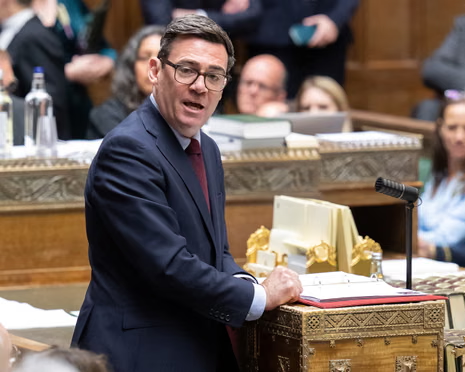
While some hail Andy Burnham’s rise to British prime minister as a fresh chance for progress in Anglo Irish relations, Eoin Ó Murchú argues this optimism ignores his Blairite record, his commitment to endless war in Ukraine, and his pledge to slash social spending in favour of military budgets. This is why the Dublin establishment will welcome him with open arms, and why the working class on both sides of the border cannot afford to be fooled by warm words about Irish heritage.

Stretching the truth!

From the Battle of the Boyne to the Brexit referendum, history is often rewritten to serve those in power while working class voices are conveniently pushed aside. Ernest Walker cuts through the myths of religious division and political spin, exposing how selective storytelling shapes what we believe about our past and present.

The World Needs a Living Left

From the streets of Johannesburg to the farmlands of India, a new generation of left movements is rising to challenge decaying elites, mass unemployment, and the grip of hyper-imperialism on the global economy. Vijay Prashad reports from the Conference of the Left in South Africa, drawing lessons from over a century of revolutionary struggle to argue why the world urgently needs a living, fighting left.